
How Do Spring Storms in Tennessee Affect Your Roof and Siding?
Spring in Tennessee brings warmer weather and blooming landscapes. Many homeowners welcome this. Unfortunately, this season also means a higher risk of severe weather. From heavy rain and thunderstorms to hail and strong winds, the worst weather of the season can take a serious toll on the exterior of your home. Your siding and roof are supposed to be your first lines of defense against the elements, so they bear the brunt of the damage when storms hit.
Understanding seasonal weather patterns and how they impact your home is useful knowledge. Use it to identify problems early so you can avoid costly repairs and make smart choices when deciding whether to maintain a part of your home or replace it. Whether you’re facing minor wear or serious storm damage, you need to know what to look for and how to respond to protect your property.
Common Types of Spring Storm Damage
Spring storms in the Volunteer State are known for being constantly unpredictable and frequently intense. Different weather conditions create various kinds of damage. Your home’s roof and siding can be impacted in multiple ways in a single storm.
Strong winds are among the most damaging forces. Wind can loosen flashing, lift shingles, and even tear away entire sections of roofing. When it hits siding, that same wind can pull panels loose, crack them, or expose the underlying structure to moisture intrusion.
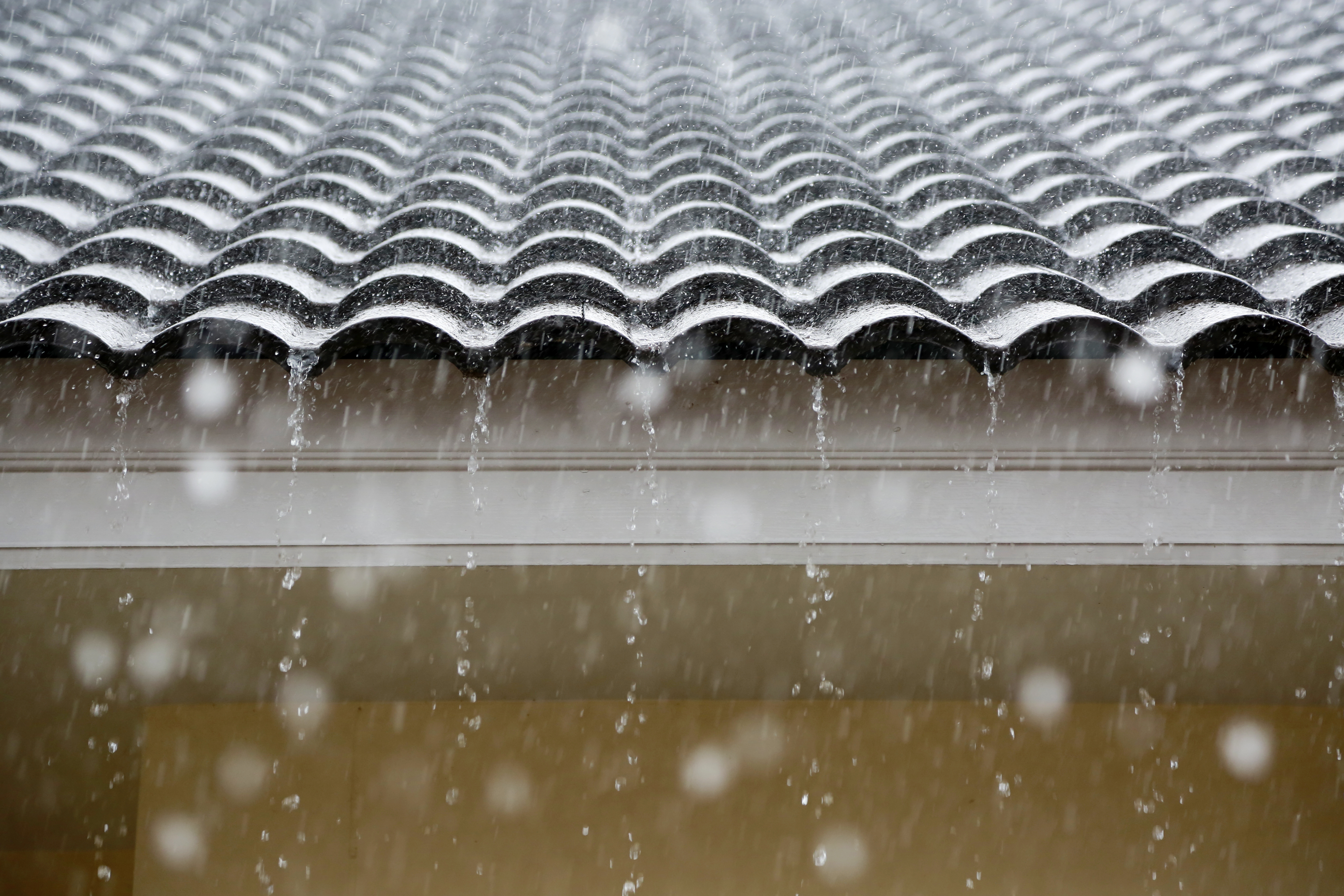
Heavy rain is another major complication. Your home’s roofing system is designed to shed water; however, intense or prolonged rainfall can exploit weak spots. Water might seep behind siding panels or under damaged shingles, resulting in mold, rot, and insulation issues.
Hail is particularly destructive due to its force of impact. Even a small hailstone can bruise shingles, dent metal components, and chip away protective granules. Bigger hail can puncture roofing materials or crack siding panels, creating immediate vulnerabilities.
Fallen branches and debris also happen a lot during spring storms. Trees can be pushed by wind, weighed down by rain, or both. If they snap and fall onto your home, the structural damage is sudden and severe.
How Roofs Are Affected by Spring Weather
Your roof is always exposed to the elements, leaving it especially vulnerable when there’s severe weather. Even one storm can cause problems that worsen over time if you don’t address them. Shingle damage is one of the most common of those problems. Wind might curl, crack, or totally remove shingles. This exposes the underlayment. Once that protective layer has been compromised, water has an easy time penetrating your home, causing leaks inside.
Hail damage isn’t always as obvious, but it’s equally as serious a threat. Hail impacts can bruise your roofing shingles, weakening their structure and shortening their lifespan. Over time, granule loss reduces your roof’s ability to resist water and reflect sunlight.
Seals and flashing around chimneys, vents, and skylights are also susceptible. These areas are naturally vulnerable, given their design, and storm activity can loosen or damage the materials you rely on to keep water out of your home.
Gutters and drainage systems frequently suffer damage during a heavy rainstorm. Water can pool on your roof when gutters are clogged or damaged, a situation that increases the risk of leaks and structural damage.
How Siding Takes a Hit During Storms
Siding is supposed to protect your home from environmental exposure and moisture, but spring storms can compromise its effectiveness in multiple ways. Wind-driven rain can force water behind your siding panels, particularly if there are cracks or gaps. Trapped moisture can result in wood rot, mold growth, and damage to interior walls. Hail can create dents, holes, or cracks in siding materials that moisture can use as entry points. Vinyl siding is particularly vulnerable to cracking from impact; however, wood siding and fiber-cement materials are at risk of chipping or splintering.
While rain and hail might make physical impact with siding, strong winds still can do plenty of damage. They can loosen siding panels or even tear them off completely. Once siding gets detached this way, the underlying structure is exposed to the elements. Your risk of long-term damage is higher when this happens.
Temperature fluctuations in spring weather also play a notable role. Moving between warm days and cool nights involves rapid temperature changes that cause materials to expand and contract. Repeated cycles of this weaken fasteners and seams over time.
Spot Repairs Versus Full Replacement
Following storm damage, you may face the key decision of opting for spot repairs or investing in a full replacement. The best answer usually depends on two factors. First, how extensive is the damage? Second, how old are your existing materials?
Localized damage usually means spot repairs are appropriate. For instance, repairing a small section of siding or having a roofing contractor replace a few missing shingles can restore your home’s protection without incurring significant expense. This is a quick and cost-effective approach when the remainder of the system is still in optimal condition.
Widespread damage might need a more comprehensive solution. Does your siding show consistent cracking and wear? Have large areas of your roof been compromised? In these cases, a full replacement might be a better long-term investment, especially if the materials have aged significantly. Older siding systems and roofs are more likely to have hidden damage; they might also not respond well to patchwork repairs.
The Importance of Post-Storm Inspections
A thorough inspection of your roofing and siding is a crucial step after any spring storm. Roof inspections need to include a close look at flashing, shingles, vents, and gutters. Professionals can identify subtle signs of damage, such as soft spots or granule loss, that an untrained eye might not catch.
You should also have a siding contractor check the sides of your home for warping, loose panels, cracks, and moisture intrusion. Finding hidden problems you can’t see and dealing with them early saves you money and stress later on.
Schedule inspections as soon after a storm as you can to minimize damage. These inspections are also sometimes necessary for insurance coverage.
Preventive Maintenance for Storm Season
You can’t control the weather, but you can be proactive with the right steps that minimize storm impact each spring. Clean your gutters and downspouts regularly to ensure proper drainage during heavy rain. Trim nearby trees to keep falling branches away in high winds. Inspect and seal the gaps around siding joints, doors, and windows to prevent water intrusion. Conduct routine inspections, not just after storms, but between storm events, to find wear and tear before it’s a serious issue.
Keeping Your Exterior Strong Through Tennessee Storms
Spring storms in Tennessee are unpredictable and sometimes quite damaging. However, you can respond effectively when you know the impact they have on your home’s roof and siding. At Professional Home Improvements Window Replacement, Siding & Roofing, LLC, we provide roofing, siding, and window services to Nashville-area homeowners undertaking home upgrades, renovations, and remodeling.
Contact Professional Home Improvements Window Replacement, Siding & Roofing, LLC when you’re worried about storm damage to your roof or siding on your home in Davidson, Rutherford, or Williamson County.