What Are the Early Signs Your Roof May Need Repairs After Winter?
Tennessee winters frequently bring in high winds, fluctuating temperatures, and precipitation that can be hard on your roof. In the spring, you need to look out for early indications of damage and take action to repair them. We’ll review the signs that your roof may need attention and explain why spring is a great time to make repairs.
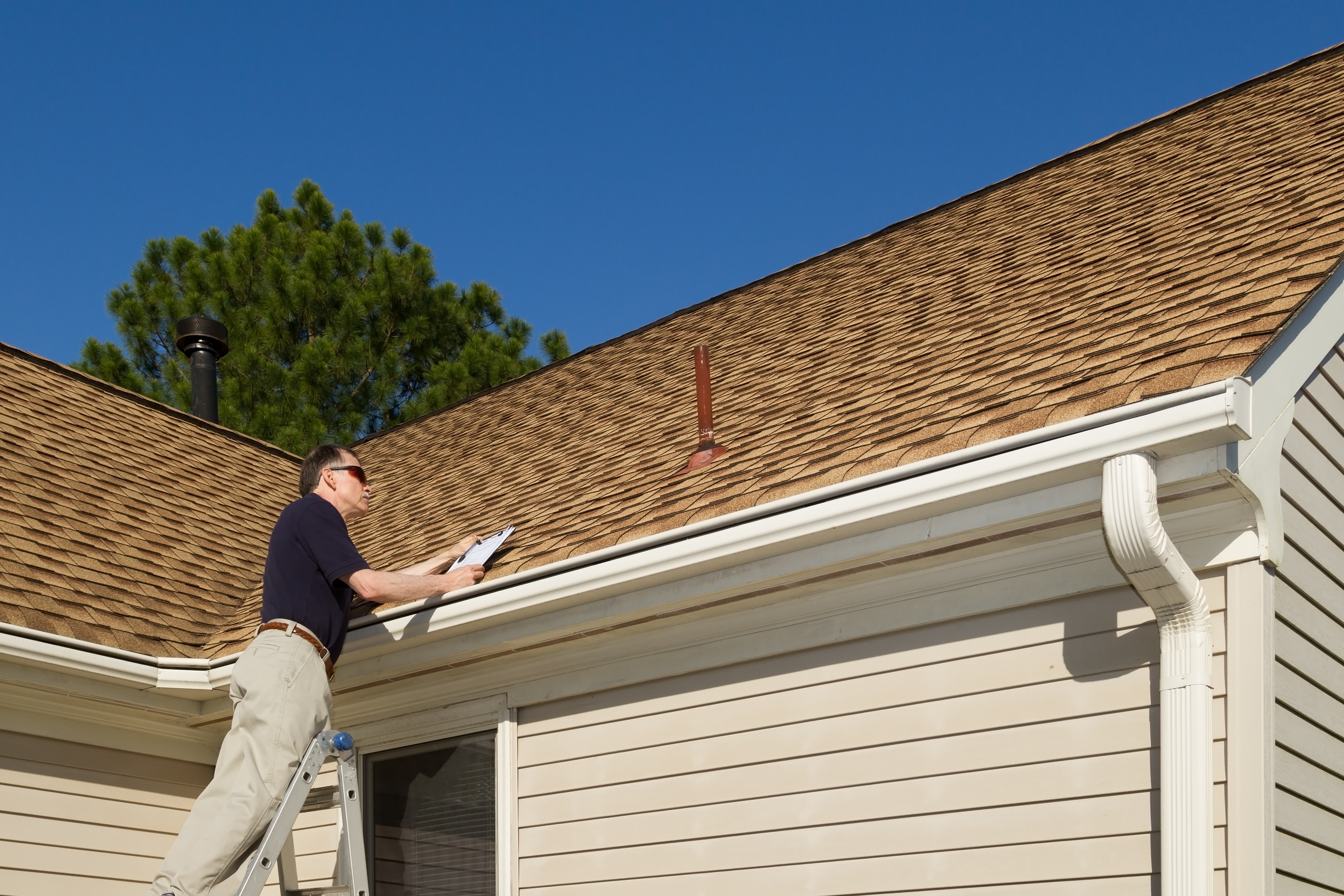
How Tennessee’s Winter Weather Causes Roof Damage
During the winter, wind, precipitation, and freeze-thaw cycles play a big role in the condition of your roof. Strong winds can lift and tear off your shingles. Rain, ice, and snow can compromise the structure of your roof and cause leaks or sagging. When the temperature drops below freezing and then warms up again within days, your shingles and flashing may loosen and crack. Gaps in your roof can lead to moisture damage if you don’t have them repaired quickly.
Early Signs of Winter Roof Damage
When you’re hiding away during the colder months, you may not notice how the weather is affecting your roof. Once the weather warms, signs of trouble may be more obvious. Here are some things to look out for.
Missing, Cracked, or Curling or Lifting Shingles
Asphalt shingles protect your roof from sun, wind, and moisture. Strong winds and cycles of freezing and thawing temperatures can cause them to contract and expand. Over time, this activity can lead your shingles to lift, curl up, and loosen. When this happens, moisture may seep through gaps and penetrate the roof deck. If the shingles crack and fall off, they can broadly expose your roof’s underlayment to the elements. This makes it easier for leaks to cause water damage within your home. Repairing and replacing shingles at the first sign of trouble can prevent major structural damage from taking hold.
Sagging Roofline
If you go outside and look up at your roof, it should look smooth and flat at any angle. Curving, dipping, or buckling shingles are a bad sign. A sagging roofline is a sure indication of structural damage. Usually, this problem occurs when heavy, wet snow sits on your roof for too long and puts stress on its trusses. If the decking starts to bow, it can put your roof at risk of collapsing.
Never ignore a sagging roofline; neglecting this issue can be catastrophic. An emergency inspection can reveal moisture damage and help your roofers restore your roof to good health.
Clogged or Damaged Gutters
Gutters help water flow off your roof and direct it away from your foundation. With blocked or damaged gutters, water may fail to drain properly and find a way into your home through your roof. In the fall, it’s common for leaves and twigs to stick in gutters, stay there, and block the flow of water. If your gutters are pulling away from your roof or sagging, they may not be able to do their job.
If you notice sandy, gritty granules collecting or flowing out of your gutters, it’s a sign that your shingles are wearing down and less able to protect your home from the rain, snow, wind, and sun.
Damaged or Leaking Flashing
The metal flashing around your vents, chimneys, and valley joints can expand and contract as the temperature fluctuates. Eventually, metal fatigue can cause your flashing to rust, warp, crack, and separate from the roof, leading to leaks.
Moisture or Mold in the Attic
Attics should stay dry and well-ventilated year-round. If you notice damp insulation, mold, or a musty smell in the space, your roof could be to blame. These and other signs, like finding condensation or frost in your attic on cold mornings, indicate that moisture may be infiltrating your home. If your attic stays damp, the moisture can spread and affect the structure of your home, potentially causing property damage and health issues.
Interior Ceiling Stains or Water Spots
Another sign of moisture seeping into your roof is staining on your ceilings and walls. Never ignore these brownish or yellowish marks because they point to bigger issues. Once water flows through your roof into your house, it can cause mold growth, wet your insulation, and create electrical hazards.
Moisture can cause your drywall and beams to rot and damage your books and upholstery fabrics. Finding the source of the leak and fixing your roof is key to keeping your home comfortable and hygienic.
Peeling or Blistering Paint
In addition to staining, moisture that comes through your roof can cause paint to peel or blister. If ice dams formed on your roof during freezing weather, they may have pushed water beneath your shingles. When this water gets into your walls, it can cause them to react with or pull away from the paint.
Higher Energy Bills
If your utility costs spike as spring arrives, heat may be escaping through your roof. Gaps in your insulation or shingles can lower your home’s energy efficiency by making your HVAC system work harder.
Visible Debris on the Roof
When leaves, branches, and other debris collect on your roof, they can encourage moss and algae to grow on your shingles. Over time, this can trap moisture in your roof and damage it from within. Sharp branches and errant pieces of metal can also scrape and puncture your roof.
How to Prevent Winter Roof Damage
Protecting your roof from winter roof damage means taking a few proactive steps. Keeping your attic both insulated and well-ventilated can help regulate moisture and temperature. Balancing the airflow near your roof makes moisture-related damage less likely.
Regular inspections and maintenance also go a long way toward minimizing winter damage. A professional assessment of shingles, decking, flashing, vents, and insulation can help you address small issues before they become serious.
Why Springtime Is the Best Time to Fix Your Roof
If you notice that your roof needs repairs after a long winter, spring is an ideal time to do the job. Contractors often have greater availability in spring, and prices may be lower before the summer rush hits.
As the weather warms up, it will be safer and easier for roofers to access your roof. Materials like shingles also tend to adhere better when the weather is mild. Plus, longer days mean workers will be able to work more hours and finish the job more quickly overall.
For Springtime Roof Repairs, Call Professional Home Improvements Window Replacement, Siding & Roofing, LLC
When your roof needs specialized care, call Professional Home Improvements Window Replacement, Siding & Roofing, LLC. We help Nashville, TN, residents keep their roofs in top shape with shingle and flashing repair. We can also handle inspections and replacements.
When your roof needs fixing, contact Professional Home Improvements Window Replacement, Siding & Roofing, LLC to schedule a consultation!